 English
  Español

Sleep and Metabolism: Myths and Facts for Weight Loss
Sleep and Metabolism: Myth vs Fact
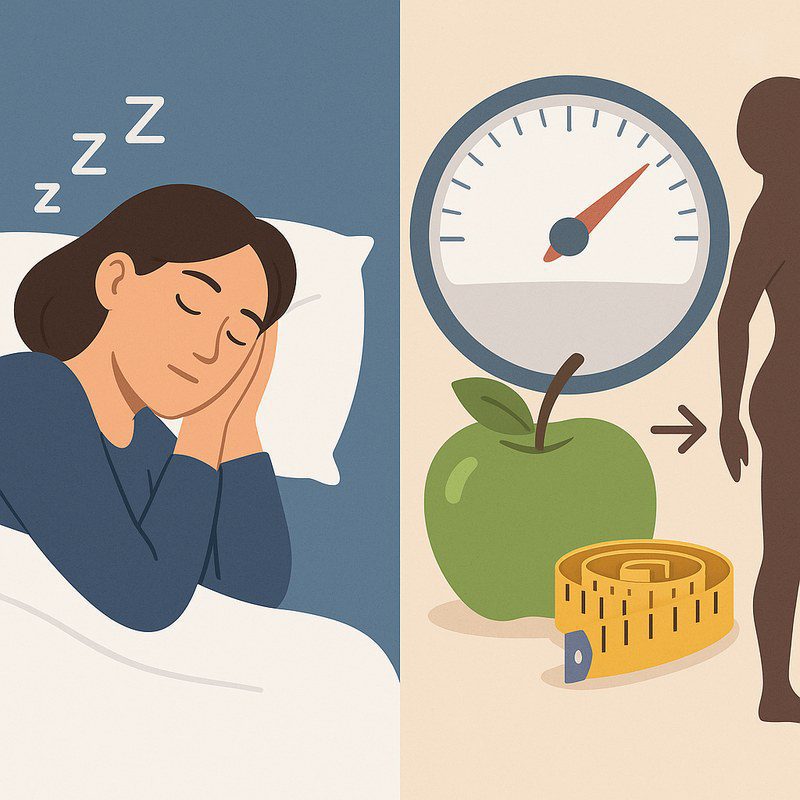
Weight loss is influenced by many factors, including diet, exercise, and stress management. Sleep is often overlooked but plays a crucial role in metabolism and appetite regulation. Let’s explore common myths and facts about sleep and weight loss.
- Myth: Sleeping longer always leads to weight loss.
- Fact: Quality and consistency of sleep matter more than just duration.
- Myth: Sleep has minimal effect on hormones related to appetite.
- Fact: Poor sleep disrupts hormones like GLP-1 and ghrelin, affecting hunger and fullness.
- Myth: You can make up for lost sleep on weekends without consequences.
- Fact: Irregular sleep patterns can impair metabolism and increase weight gain risk.
What Evidence Says About Sleep and Weight Loss
Research shows that insufficient or poor-quality sleep can reduce levels of glucagon-like peptide-1 (GLP-1), a hormone that helps control appetite and blood sugar. Lower GLP-1 can increase hunger and cravings, making diet adherence harder. Additionally, lack of sleep raises ghrelin (hunger hormone) and lowers leptin (satiety hormone), promoting overeating.
Studies also find that irregular sleep schedules disrupt circadian rhythms, leading to metabolic imbalances and increased fat storage. The Centers for Disease Control and Prevention (CDC) recommends adults aim for 7-9 hours of consistent sleep per night to support overall health and weight management.
Actionable Steps to Support Weight Loss Through Better Sleep
- Maintain a consistent sleep schedule: Go to bed and wake up at the same time daily, even on weekends.
- Create a calming bedtime routine: Avoid screens and bright lights at least an hour before sleep; try reading or gentle stretches.
- Optimize your sleep environment: Keep your bedroom dark, quiet, and cool to promote restful sleep.
- Limit caffeine and heavy meals: Avoid these close to bedtime to reduce sleep disturbances.
- Manage stress: Practice relaxation techniques like deep breathing or meditation to lower cortisol levels that can disrupt sleep and metabolism.
- Combine with healthy diet and exercise: Sleep supports hormones like GLP-1, but balanced eating and regular physical activity remain essential for weight loss.
For more tips on weight loss and healthy habits, visit UMEDOC’s health blog.
When to Consult a Clinician
If you experience persistent sleep difficulties, excessive daytime sleepiness, or signs of sleep disorders such as sleep apnea, consult a healthcare professional. They can provide evaluation and tailored treatment options to improve sleep and support your weight loss goals.
Disclaimer
This content is informational and not medical advice. Consult a licensed clinician.
References
- CDC: How Much Sleep Do I Need?
- Tasali E, Van Cauter E. Sleep and Metabolism: An Overview. Endocrinol Metab Clin North Am. 2008.
- Spiegel K, Leproult R, Van Cauter E. Impact of sleep debt on metabolic and endocrine function. Lancet. 1999.
Keep it simple. Start with one small step. Choose whole foods more often. Move your body each day. Sleep at a regular time. Drink enough water. Talk with your doctor if you need help.
About Umedoc Health Blog
At Umedoc, we’re committed to providing updated, accurate, and accessible health information to empower your wellness decisions. For more tips, health updates, and medical guidance, subscribe or bookmark our blog today.
For more tips, health updates, and medical guidance, subscribe or bookmark our blog today.

This article reviewed by Dr. Jim Liu, MD.
There’s nothing more important than our good health – that’s our principal capital asset.
#medical #telehealth #umedoc #GLP1 #weightloss