 English
  Español

Daily Tracking Habits That Help Adults Lose Weight Safely
Why Is Daily Tracking Helpful for Weight Loss?
Daily tracking helps you become aware of your habits and progress. It provides clear feedback on your diet, exercise, sleep, and stress levels, which all impact weight loss. Tracking can improve motivation and help identify patterns that may hinder your goals.
How Does Tracking Diet Support Weight Loss?
Recording your food intake can highlight areas to improve, such as portion sizes or nutrient balance. It encourages mindful eating and better choices, which help create a calorie deficit needed for weight loss.
What Role Does Exercise Tracking Play?
Logging physical activity ensures you are meeting recommended guidelines. Regular exercise supports metabolism and muscle health, which are important for sustainable weight loss.
Why Should I Track Sleep and Stress?
Poor sleep and high stress can disrupt hormones that regulate hunger and fat storage. Tracking these factors helps you notice their effects and prompts changes to improve overall well-being and weight control.
At-Home Tracking Plan for Weight Loss
- Diet: Use a simple app or journal to note meals and snacks. Focus on balanced meals with protein, fiber, and healthy fats.
- Exercise: Track daily steps or workout sessions. Aim for at least 150 minutes of moderate activity weekly.
- Sleep: Record your sleep duration and quality. Try to get 7–9 hours per night with a consistent schedule.
- Stress: Note stress levels and coping methods. Practice relaxation techniques like deep breathing or short mindfulness breaks.
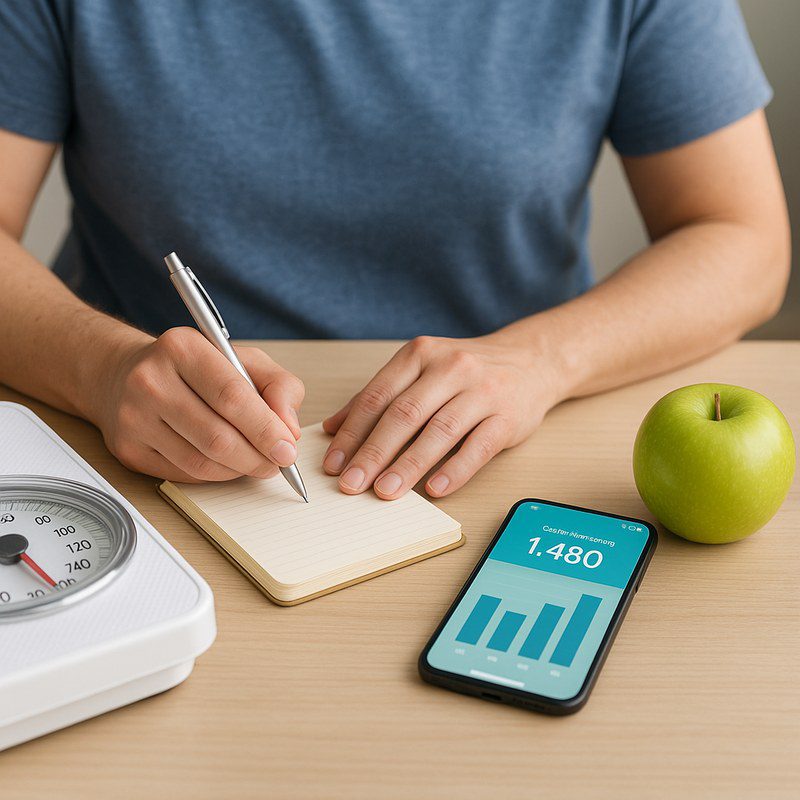
Tracking daily habits supports safer and more effective weight loss. Medications such as GLP-1 receptor agonists may be prescribed by healthcare providers for some adults, but they work best combined with lifestyle changes.
When to Consult a Clinician
If you experience unexpected weight changes, persistent difficulty controlling appetite, or ongoing sleep and stress problems despite your efforts, seek advice from a healthcare professional. They can evaluate your situation and recommend appropriate treatments or referrals.
Disclaimer
This content is informational and not medical advice. Consult a licensed clinician.
References
Keep it simple. Start with one small step. Choose whole foods more often. Move your body each day. Sleep at a regular time. Drink enough water. Talk with your doctor if you need help.
About Umedoc Health Blog
At Umedoc, we’re committed to providing updated, accurate, and accessible health information to empower your wellness decisions. For more tips, health updates, and medical guidance, subscribe or bookmark our blog today.
For more tips, health updates, and medical guidance, subscribe or bookmark our blog today.

This article reviewed by Dr. Jim Liu, MD.
There’s nothing more important than our good health – that’s our principal capital asset.
#medical #telehealth #umedoc #GLP1 #weightloss