 English
  Español

How Sleep Influences Metabolism and Weight Loss
The Problem: Sleep’s Role in Weight Management
Many adults struggle with weight loss despite efforts in diet and exercise. One often overlooked factor is sleep. Poor sleep can slow metabolism and increase hunger, making it harder to lose weight.
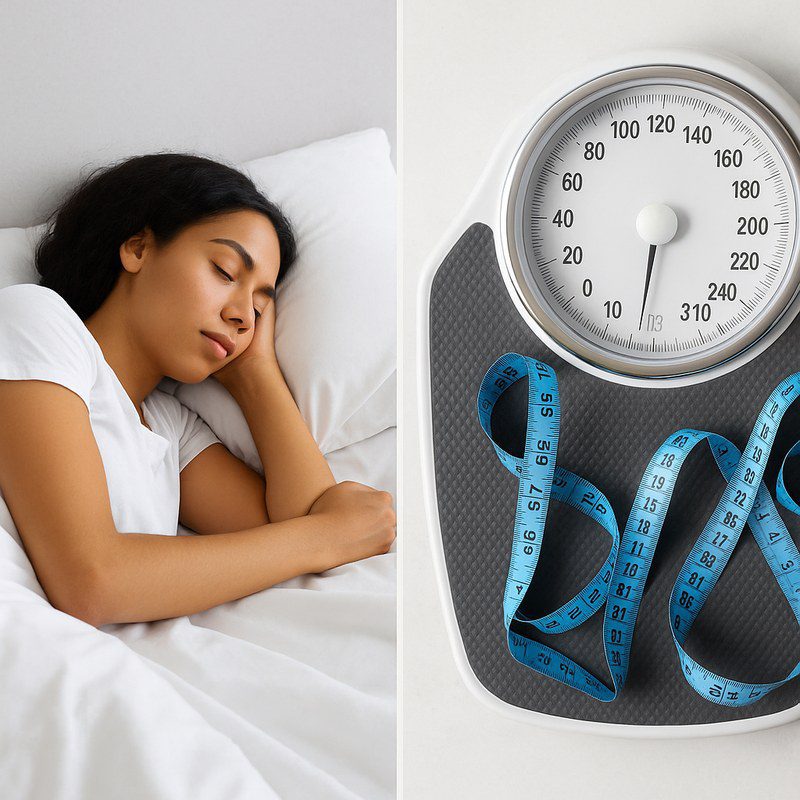
Causes: How Sleep Affects Metabolism and Appetite
- Hormonal Imbalance: Lack of sleep disrupts hormones like leptin and ghrelin that regulate hunger and fullness.
- Insulin Resistance: Inadequate sleep can reduce insulin sensitivity, affecting how your body uses sugar and stores fat.
- Increased Stress: Poor sleep raises cortisol levels, which may promote fat storage and cravings for high-calorie foods.
- Reduced Energy: Sleep deprivation lowers energy, making it harder to stay active and maintain muscle mass.
A Practical Plan to Support Weight Loss Through Better Sleep
- Set a consistent sleep schedule: Go to bed and wake up at the same time daily to regulate your internal clock.
- Create a bedtime routine: Engage in calming activities like reading or meditation 30 minutes before sleep.
- Limit screen use: Avoid phones and computers at least one hour before bed to reduce blue light exposure.
- Optimize your bedroom: Keep it cool, dark, and quiet. Use blackout curtains and white noise if needed.
- Watch evening habits: Avoid caffeine, heavy meals, and alcohol close to bedtime.
- Manage stress: Incorporate relaxation techniques such as deep breathing or yoga.
- Stay active: Aim for regular exercise, but avoid vigorous workouts within 2-3 hours of sleep.
Weekly Checklist to Build Sleep and Metabolism Habits
- Maintain consistent sleep and wake times every day.
- Practice a calming pre-sleep routine at least 5 nights.
- Limit screen time before bed on at least 5 evenings.
- Keep your sleep environment dark and cool throughout the week.
- Avoid caffeine and heavy meals after mid-afternoon.
- Include at least 150 minutes of moderate exercise spread across the week.
- Use stress reduction methods daily, such as meditation or breathing exercises.
When to Consult a Clinician
If you consistently struggle with poor sleep despite lifestyle changes, or if you experience symptoms like excessive daytime sleepiness, loud snoring, or difficulty staying awake, consult a healthcare provider. They can check for conditions like sleep apnea or other sleep disorders that may affect metabolism and weight.
Disclaimer
This content is informational and not medical advice. Consult a licensed clinician.
References
For more helpful health articles, visit the UmeDoc Health Blog.
Keep it simple. Start with one small step. Choose whole foods more often. Move your body each day. Sleep at a regular time. Drink enough water. Talk with your doctor if you need help.
About Umedoc Health Blog
At Umedoc, we’re committed to providing updated, accurate, and accessible health information to empower your wellness decisions. For more tips, health updates, and medical guidance, subscribe or bookmark our blog today.
For more tips, health updates, and medical guidance, subscribe or bookmark our blog today.

This article reviewed by Dr. Jim Liu, MD.
There’s nothing more important than our good health – that’s our principal capital asset.
#medical #telehealth #umedoc #GLP1 #weightloss