English
  Español

Do I need to avoid sun exposure on antibiotics?
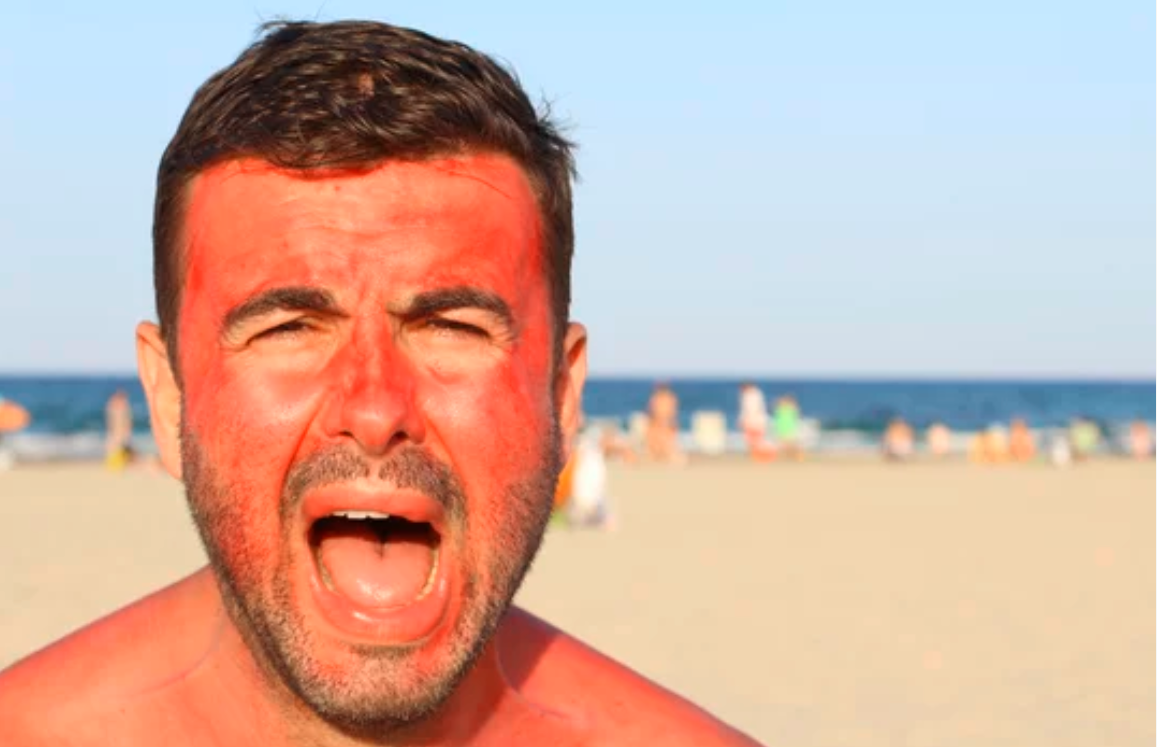
Sunlight is essential for vitamin D synthesis and mood enhancement, but certain medications can transform a pleasant day outdoors into an uncomfortable experience. Photosensitivity, a heightened sensitivity to sunlight caused by specific medicines, can result in uncomfortable symptoms such as sunburn, redness, rash, and other unwanted skin reactions. Understanding how your medications may interact with sunlight exposure can help you enjoy outdoor activities safely.
In this comprehensive guide updated for 2025, you’ll discover the medicines most commonly associated with photosensitivity, signs to watch for, and practical advice for protecting yourself.
What is Photosensitivity?
Photosensitivity refers to an increased skin sensitivity or reaction caused by exposure to ultraviolet (UV) radiation—either natural sunlight or artificial UV sources, like tanning beds. Certain medications increase your skin’s sensitivity, making you more susceptible to sunburn-like reactions and skin damage, even after relatively short exposure periods.
Types of Photosensitivity Reactions:
- Phototoxic reactions:
These reactions are more common and occur when a drug absorbs UV radiation, causing direct damage to skin cells. The reaction can happen quickly, often within hours after sun exposure, resulting in sunburn-like redness, swelling, and pain. - Photoallergic reactions:
Less common, these reactions are immune-mediated. Symptoms include an itchy, eczema-like rash that appears a few days after sun exposure, sometimes persisting even after the medication is discontinued.
(Source: Food and Drug Administration, FDA 2025)
Common Medications Causing Photosensitivity
Many prescription and over-the-counter medications are associated with photosensitivity. The latest guidelines from the FDA (2025) highlight the following common medicines:
Antibiotics:
- Ciprofloxacin (Cipro)
- Doxycycline (Vibramycin, Monodox)
- Levofloxacin (Levaquin)
- Ofloxacin (Ocuflox)
- Tetracycline (Sumycin)
- Trimethoprim-sulfamethoxazole (Bactrim, Septra)
Pain Relief and Anti-inflammatory Medications:
- Ibuprofen (Advil, Motrin)
Diabetes Medications:
- Glipizide (Glucotrol)
Allergy Medications:
- Diphenhydramine (Benadryl)
Cholesterol-lowering Drugs:
- Simvastatin (Zocor)
Oral Contraceptives and Hormonal Treatments:
- Various estrogen-based contraceptives
Skin Treatments:
- Retinoids (tretinoin, isotretinoin, retinol)
According to dermatology studies published in the Journal of the American Academy of Dermatology (2024), antibiotics like doxycycline and ciprofloxacin remain among the most common photosensitizers, causing significant skin reactions if proper precautions are not taken.e provider or pharmacists will be able to help.
Recognizing Photosensitivity Symptoms
Photosensitivity reactions vary from mild discomfort to severe skin damage, including:
- Sunburn-like redness or rash
- Severe itching or burning sensation
- Swelling or blister formation
- Dryness or scaling of skin
- Increased pigmentation or darkening of the affected area
Symptoms may appear within minutes to hours after exposure (phototoxic reaction) or take several days (photoallergic reaction).
Tips to Prevent Photosensitivity Reactions
Enjoying the sun safely while taking photosensitizing medications involves preventive measures. Here are practical recommendations based on the American Academy of Dermatology (AAD) guidelines (2025):
1. Time Your Outdoor Activities:
- Avoid direct sunlight between 10 a.m. and 4 p.m., when UV rays are strongest.
- Schedule outdoor activities during early mornings or late afternoons.
2. Seek Shade and Wear Protective Clothing:
- Stay in shaded areas when outdoors.
- Wear long-sleeved shirts, full-length pants, broad-brimmed hats, and UV-blocking sunglasses.
3. Apply Broad-Spectrum Sunscreen:
- Use sunscreen labeled “broad-spectrum,” providing protection against UVA and UVB rays.
- Choose SPF 30 or higher for optimal protection (SPF 15 minimum, but SPF 30+ strongly recommended).
- Reapply sunscreen every two hours, especially after swimming or sweating.
4. Avoid Artificial UV Exposure:
- Completely avoid tanning beds and other artificial UV sources if taking medications that increase photosensitivity.
What To Do If You Experience a Photosensitivity Reaction?
Immediate Steps:
- Move immediately out of the sun and into a cool, shaded area.
- Apply cool compresses to affected areas.
- Use gentle moisturizing creams or hydrocortisone creams to relieve skin inflammation and discomfort.
Medications for Symptom Relief:
- Over-the-counter antihistamines like cetirizine (Zyrtec) or diphenhydramine (Benadryl) help reduce itching and irritation.
- Non-steroidal anti-inflammatory drugs (NSAIDs), if tolerated, can reduce inflammation and discomfort. Consult a healthcare provider first to ensure safe usage, particularly if you experienced a severe photosensitive reaction.
When to Seek Medical Attention:
Seek immediate medical help if your photosensitivity reaction includes severe blistering, swelling, fever, or widespread pain.
Long-term Implications and Considerations
While photosensitivity reactions often resolve after discontinuing the offending medication and protecting your skin from sunlight, repeated exposure and reactions can result in long-term skin damage. Chronic photosensitivity can increase the risk of premature aging, skin discoloration, and even skin cancers, such as basal cell carcinoma or melanoma, over extended periods (Skin Cancer Foundation, 2024).
Discuss the risks and benefits of your current medications with your healthcare provider if you experience repeated photosensitivity reactions. In some cases, alternative medications might be prescribed to prevent future reactions.
Frequently Asked Questions (FAQs)
Q: Will everyone taking photosensitive medications have a reaction?
A: No. Photosensitivity reactions vary individually. Some people may never experience reactions, while others have repeated or severe reactions.
Q: If I have a photosensitivity reaction once, will I always have one?
A: Not necessarily. Experiencing a reaction once doesn’t guarantee reactions every time you take that medication, but caution is always advised.
Q: Can sunscreen fully prevent photosensitivity reactions?
A: Sunscreen significantly reduces your risk, but wearing protective clothing and limiting direct sunlight exposure remain essential.
Consult Your Healthcare Provider or Pharmacist
Always consult your healthcare provider or pharmacist if you have concerns about your medications causing photosensitivity. Providers can guide you to safer medication alternatives if you’re highly susceptible to reactions.
Proper education and preventive measures ensure that medications enhancing your quality of life won’t hinder your ability to safely enjoy the outdoors.
References (Updated 2025):
- Food and Drug Administration (FDA). “Photosensitivity and Medicines.” 2025. FDA.gov
- American Academy of Dermatology (AAD). “Protecting Your Skin from Photosensitivity.” 2025 Guidelines. AAD.org
- Skin Cancer Foundation. “Sun Protection for Medication-Induced Photosensitivity.” 2024. skincancer.org
- Journal of the American Academy of Dermatology. “Common Photosensitive Medications and Dermatologic Implications.” Vol. 92, 2024.

This article reviewed by Dr. Jim Liu, MD and Ms. Deb Dooley, APRN.
There’s nothing more important than our good health – that’s our principal capital asset.
#medical #telehealth #umedoc